News Photo

Urgent and Immediate Review by Establishments is critical!

  • Blogs
  • December 18, 2025
Labour Codes 2025 Implementation Readiness
India’s Labour Codes: A landmark shift in compliance, wages, benefits, and workforce governance
The codification of Indian labour laws through the Code on Wages, 2019, the Code on Industrial Relations, 2020, the Code on Social Security, 2020, and the Code on Occupational Safety, Health and Working Conditions, 2020 represents a landmark shift in the nation’s socio-legal and economic framework, the impact of which will be seen burgeoning on the employers as well as employees in due time.
In short, each Code aims to harmonise definitions, reduce procedural redundancies, and modernise compliance mechanisms.
Key changes, in one line each
Code on Wages
The Code on Wages applicability extends to all employees, regardless of wage ceilings or scheduled employment a significant departure from earlier laws that restricted coverage to “scheduled industries”.
Industrial Relations Code
The Industrial Relations Code rationalises procedures for trade union recognition, employment conditions, and dispute resolution with threshold increased to 300 for mandatory Government approval, legalising fixed term employment, 14-day notice for strike, formation of grievance committee for 20 and more workers, and 51% membership for trade unions.
Social Security Code
The most controversial code is social security code dealing with PF, ESI, Maternity, Gratuity, etc. bringing gig, platform and unorganised workers in to the ambit of the law.
OSHWC Code
The OSHWC Code mandates electronic registration for establishments employing ten or more workers and introduces the concept of a common licence for factory, contract, and beedi-cigar operations, removing discrimination and allowing women in night shift, increasing applicability from 10 to 20, thereby simplifying procedural compliance.
Immediate Review by establishments is critical and essential
HR, Finance, Payroll, Legal
It calls for each and every organization to take an all-inclusive review across HR, Finance, Payroll, Legal to ensure regulatory compliance under the new labour law framework.
Review job descriptions, job roles, job enlargements, job promotions, job transfers, for purpose of re-classifications so to align with new ‘employee’ and ‘worker’ and employer definitions.
Re-assess the dynamics of hiring models and employment contracts and appointment letters, including fixed-term arrangements and restrictions on contract labour for core activities and bucketing clearly non-core activities.
Analyse and regroup salary structures with clear notation of the impact on compensation structures and payroll systems to comply with the new statutes on uniform definition and implementation of wages and benefit calculations.
Assess the financial impact of enhanced employee benefits on the organization in terms of permanent workers, casuals, temporary, apprentices, interns, gig and platform workers, contract workers, retiring workers.
Update HR and Employee Relations Policies, including working hours, overtime, flexible working options, commission, variable pay, leave entitlement, state declared public holidays, election holidays, bonus, gratuity, layoff and retrenchment processes.
Implement strong internal controls, conduct periodic diagnostic reviews, and ensure effective governance.
If possible, after all being done, conduct a survey of your organisation o “Good Place to Work” on parameters such as Management Leadership, People Policy and treatment, People Recognition and Celebration, Endorsement to the outside world, etc.
Why urgency matters
Existing HR, payroll and compliance practices may no longer remain valid.
Several areas including ESI, wage restructuring, contract labour, working hours and statutory facilities require urgent reassessment.
Penalties under the Codes have been significantly enhanced, with fines going up to ₹20 lakhs for a single violation.
Grey areas regarding coverage, accident benefits, supervisory roles, and outside job work require professional interpretation before implementation.
Technology and system upgrades must be reconfigured to reflect updated codes derived from the new labour law, automate compliance, generate accurate reports, and align with state-wise variations, ensuring long-term efficiency and audit readiness.
HR and Payroll policies: The labour codes significantly affect various aspects of HR and Payroll Policies. Certain provisions overlap with existing state-specific Shops and Establishments laws, which are not superseded by the labour codes, potentially leading to conflicts, especially concerning working hours, leave, and related issues. Organizations operating in multiple states may have to ensure compliance with both sets of laws in each jurisdiction. Additionally, since specific provisions apply only to 'workers,' organizations may need to implement different policies for various employee categories.
Checklist for smoother operations
To do list To do action list
(1) Uniform wage definition Ensure basic + specified allowances = 50% of gross monthly wages
(2) Redesigning total emoluments To include part A, B & C of wages along with other excluded costs such as leave encashment, gratuity, retrenchment, variable pay, etc. as a part of the overall labour wage related costing.
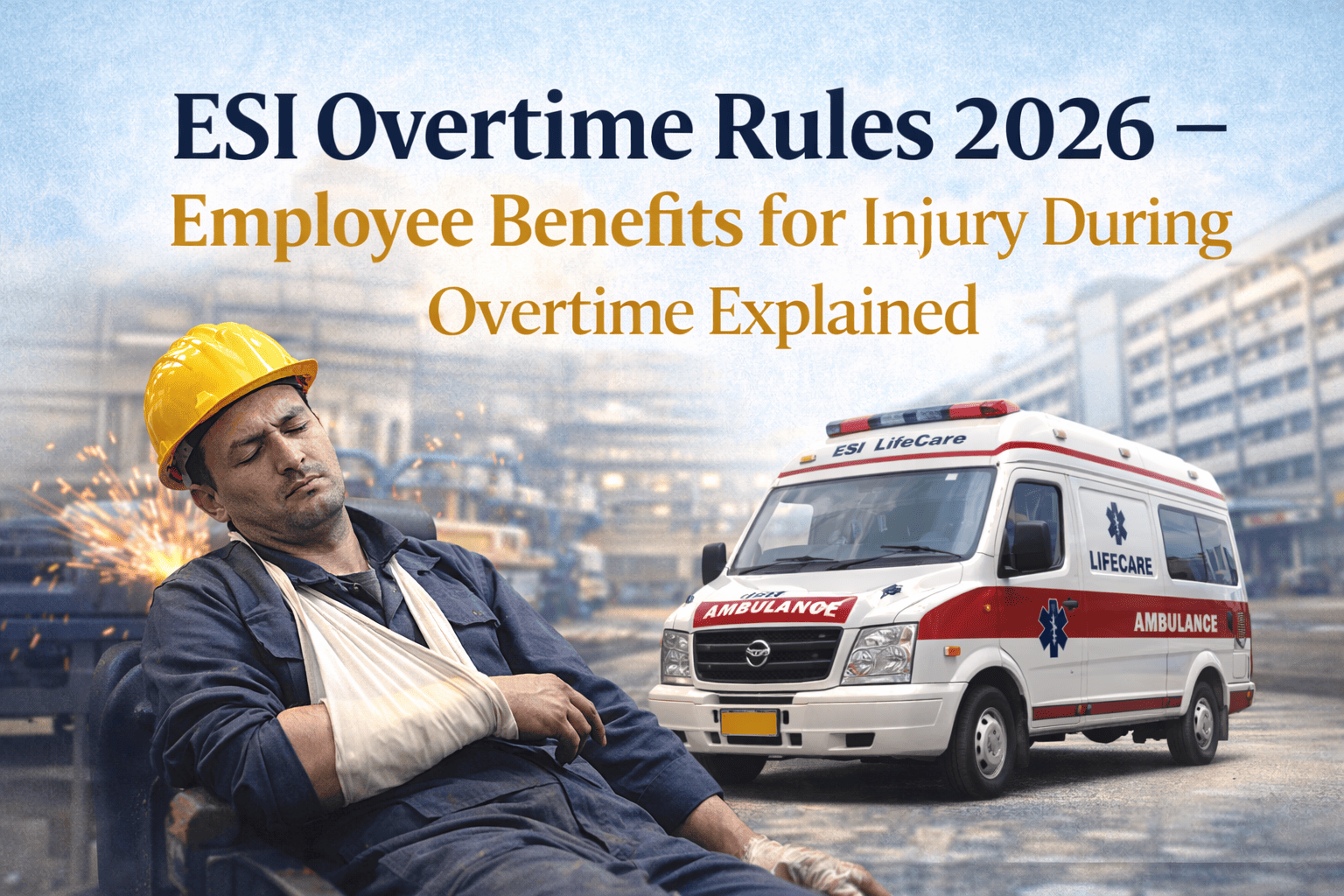
(3) Overtime The new 2 x wage rate with 8 to 12 hour working within the 48 week hours framework and anything above this, goes to overtime.
(4) Paid leave Eligibility is now from 240 to 180 working days
(5) Regulate working hour variances 4 day work, 5 day work, 6 day work, weekly off day, free-lance hours, hybrid working hours and days, weekly cap, spread over hours, rest interval hours, field work hours, etc.
(6) Fixed term gratuity payment Gratuity calculation for permanent workers after 5 years and fixed term as per duration of contract or one year termination, etc.
(7) Gig, platform workers kitty Aggregator contribution of 1 to 2% for social and welfare expenses of gig and platform workers
(8) Appointment letter Set in place offer letter, rejection letter, appointment letter, contract letter, probation letter, apprenticeship letter, intern letter, trainee letter, NATS ad NAPS appointment letter, etc.
(9) Work from home and field work Remote working hours, field working hours, physical attendance days, etc.
(10) Annual medical check Above 40 years for mandatory health checks, insurance cost, medical cost, emergency cost, etc.
(11) Women safety and night shift System to handle consent, shift change, shift hours, shift variances, etc.
(12) Licenses, registers and returns Payroll to integrate for single registration, single return, single e filing
(13) Payroll documents and audit Linking payroll for wage register output, wage attendance, leave, etc. for audit and government inspection
(14) Self service module Linking payslips, pay details, total annual pay out, estimation taxes, annual pay taxes, performance model, performance expectation and results,
Note: The central codes provide the framework. State and Union Territory rules will determine detailed operational requirements and variations.
Need help translating the labour codes into organisation-specific action steps?
For assistance, you may write to: marketing@karmamgmt.com
Disclaimer: This page is an informational overview based on the content provided. Implementation may vary based on state rules, establishment category, and applicable service conditions.

Share This News

Comment

Your Trusted Partner in Compliance, Audits & Human Resource Solutions